The Immaculate Conception & Mary’s Perfect Yes
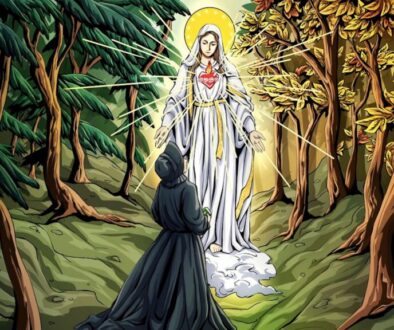
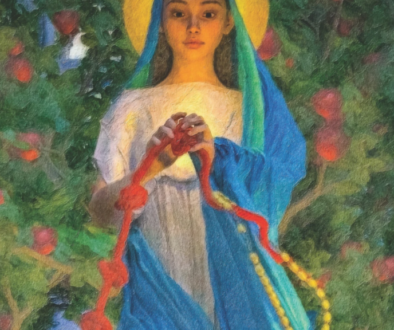
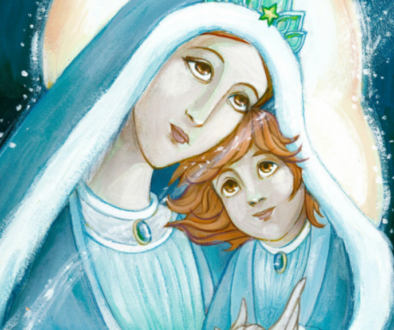
On December 8, we celebrate one of the most compelling mysteries of our faith: Mary’s preservation from the stain of sin from that very first moment of her existence. The Solemnity of the Immaculate Conception calls us to contemplate her singular state—full of grace—and in this doctrine, we see a mosaic of God’s perfect love, His careful preparation, and His desire to enter our world in a new way.
This is a beautiful opportunity to slow down in the bustle of Christmas and explore the faith with our children. Themes of holiness, grace, and preparation are ripe for discussion, but some less predictable concepts are also on the table for older children, such as the radical freedom that God provides us and the nature of sin itself.
Making Sense of the Mystery
It’s important to clarify for our children, and ourselves, what the Immaculate Conception is and is not.
The Immaculate Conception does not refer to Jesus being born to a virgin, but Mary’s conception in the womb of St. Anne.
To break it down simply for younger children, make a few things clear with simple imagery:
- God preserved Mary from original sin from the beginning of her life. Her soul was perfectly clean and beautiful, like a fresh blanket of snow reflecting the sun. 2. God walked beside her, and she always listened to Him and made the right choice. 3. She is a wonderful role model, the perfect mother, and the first person to believe in her Son!
For older children, you might want to go deeper. Explain that Mary did not earn this freedom from sin: it was a gift of God’s grace. Mary is still fully human, like your mother, grandmother, and you—this gift didn’t change that fact. It prepared her for the singular role of birthing and mothering Christ.
Mary is the “New Eve”—the Mother of God and all the living. With Eve’s “no” to God, sin entered the world. Mary, however, said “yes” to God, agreeing to bear Christ and open the door to the One who defeats sin, evil, and death. She is the first person to be redeemed by Christ, the original disciple, the first believer.
Keep the focus on Mary’s beautiful soul. Avoid the anxiety that can come up in this conversation by making it clear to your children that original sin is not the result of something they did, but
rather inherited from Adam and Eve. Remember the teachings of the Catechism: original sin is “‘contracted’ and not ‘committed’—a state and not an act” (CCC 404). Our children must know that they are not personally responsible for this. Every human, except Mary, is imperfect and struggles with the temptation to sin.
If your children seem lost, that’s okay. Just take it as a good reminder to get back to the basics of our faith. Advent is a perfect time to gather together for Old Testament stories and learn about creation, God’s love, and human nature in a warm, casual setting. Little ones often appreciate when we are open to learning alongside them. Every year, your children’s understanding of and questions about Mary will expand and change. Resolve to simply meet them where they are today.
Mary’s Fiat
The Immaculate Conception made it possible for Mary to respond to God’s plan with perfect freedom: “Let it be done to me according to your word” (Luke 1:38). Her “yes” was unencumbered by sin. Explain to your children that Mary’s gift of complete purity allowed her to see clearly and make the choice to surrender completely to God’s will. God prepared her to carry such a burden by giving her this gift.
Like Mary, God prepares us all for the tasks He calls us to, just in different ways. Your children might want to explore what gifts God has given them and their family members. Ask them how they see the people in their lives saying “yes” to God, even when it seems hard, and what lessons they can learn from those individuals.
Remind your children that when we commit to staying connected to God, we can better discern His will for us and we are made more resilient by our relationship with Him. Read the Gospel accounts of Mary’s life together: make it clear that Mary’s immaculate heart did not exempt her from suffering. It did not mean that her life was easy. But it did make her able to suffer with hope, love, and complete trust in God. When we are close to God, we experience less confusion and pain.
The Reality of Purity
Ask your older children to really consider what “purity” means, a term that they may have a skewed idea of, given how our culture treats it. Purity of heart is not about repression, promise rings, or self-image. It is about having our desires, thoughts, and intentions wholly ordered toward God, when “we give our hearts completely into the Heart of God,” as Cardinal Raymond Burke puts it in his beautiful letter here. Mary shows us that freedom emerges from purity of heart—freedom to choose well, love with intention, and experience a joy that can only come from true union with God.
Embrace this freedom by making a list of all the ways you’d each like to say “yes” to God more often during Advent—being kinder to siblings, helping with chores without being asked,
spending time in prayer, or giving to those in need. Put these ideas in a basket and have each family member pick one every day or every week. Check in often to encourage one another in these small acts of surrender.
Grace in Our Lives
God gives His grace freely. It is a gift to us that we encounter in His presence. Being full of grace, Mary was freed from the shackles of self-seeking behavior. She was permanently receptive to God’s grace. Remind your children that they have the opportunity to receive God’s grace every day. When they receive the sacraments, they receive His grace. Prayer opens them up to grace, and they are strengthened by grace each time they choose to do what is right over what is wrong, selfish, or destructive. For younger children, we might compare grace to the light that spills into a room when the curtains are opened. Though we may not see the sun itself, we can see the fruits of its light. The plants grow, the pets stretch happily in the warmth, it helps us find what we need in the previously dark corners. Grace is like that, but in the soul.
Older children can be encouraged to really embrace an interior preparation for Christmas. Challenge them to incorporate an examen like this one into their daily lives and attend Confession in an effort to experience God’s grace. Spend time in Adoration together. Consider the examen yourself and speak more openly with your family about the ways you see God’s grace working in your life.
Model of Holiness and Mother to All
Encourage your children to look to Mary as a model. When they’re struggling with a decision, ask: What would Mary do? When they’re tempted to gossip, lie, or hurt others, remind them of what Mary’s purity teaches us about freedom. When they’re afraid to follow God’s call, point them to Mary’s courage. Help them see her as a mother and a guide.
Honor this model of holiness and perfect maternal love as a family. Wear blue on December 8, pray the rosary together, and visit a Marian shrine or church if possible. If you’re local to La Crosse, Wisconsin, take the day to visit us at the Shrine of Our Lady of Guadalupe and let the sacred beauty speak to your children’s hearts.
Living the Mystery
May the beauty of the Immaculate Conception shape your home this month with lasting effects. May Mary’s example light our path as we navigate challenges at home, school, and work. May her intercession draw us ever closer to her Son.
Enjoying What You’re Reading?
If this content resonates with you, consider enrolling in the Youth Guild.
Receive the printed Full of Grace journal every month, mailed directly to your home to help your family grow in holiness — together, under the patronage of St. José Sánchez del Río.
Enroll Now